
What Is the Best Temperature to Serve Red Wine?
Posted by Matteo Lahm on 19th Nov 2026
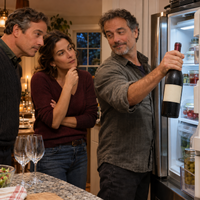
How a short trip to the refrigerator can bring out the best in your bottle.
Red wine should be served at room temperature, but which room? Your living room might be 72°F. A wine cellar is often kept around 55°F. Even a full-bodied Cabernet may show its best in the low 60s. If your bottle has been sitting on the kitchen counter all afternoon while dinner cooks, you may have warmed it right past the point where you’d enjoy it most.
Most of us who make wine at home would love to have a space that stays at 55°F year-round. We work with what we have. Maybe that’s the coolest corner of the basement or a closet where the temperature stays fairly steady. Whatever your storage setup, you can still serve the wine at a temperature that suits it. All it may take is a little time in the refrigerator before you pull the cork.
What You Miss When Your Red Wine Is Too Warm
Think about a red you’ve poured that smelled promising but gave you a rush of alcohol on the first sip. You got a little fruit up front, then a warmth that lingered after you swallowed. Now imagine that same wine a few degrees cooler. You can pick out ripe plum, then a little black pepper. The fruit carries through the sip, and there’s a savory note on the finish you hadn’t noticed before. That’s the kind of difference worth tasting for yourself.
As wine warms, volatile compounds move more readily from the wine into the air above the glass. That’s why a red straight out of a cool cellar can smell quiet at first and become more expressive as it sits. Ethanol is volatile, too. When the wine gets too warm, you may smell the alcohol as soon as you bring the glass to your nose and feel its warmth again after you swallow. When alcohol gets your attention at both ends of the sip, it’s easy to miss what happens in between.
A slight chill can make that warmth less prominent. The acidity may feel fresher, and the fruit may be easier to pick out. A light red that seemed vaguely fruity might give you something you can place, like tart cherry or raspberry. In a fuller red, you might finally notice the cedar or pepper behind the dark fruit.
You can go too far in the other direction. An overly cold red can smell muted, and the tannins in a young, structured wine can feel especially drying when there’s less fruit coming through. I’m looking for the point where I can smell the wine clearly, taste the fruit through the middle of the sip, and enjoy what lingers after I swallow.
Serving Temperatures for Different Styles of Red Wine
| Style | Serving temperature | Examples |
|---|---|---|
| Light-bodied, fruity, easy-drinking | 54–56°F | Beaujolais or a light, fruit-forward Pinot Noir |
| Medium-bodied | 57–61°F | A supple Merlot or a medium-bodied Sangiovese |
| Full-bodied, structured | 61–64°F | A robust Cabernet Sauvignon, Syrah, or tannic red blend |
Use these ranges as starting points. A soft, fruity red might be ready to pour at 55°F. A Cabernet you made with plenty of skin contact may need to warm into the low 60s before the aromas open up and the tannins feel in balance with the fruit. If you’re deciding where your own wine fits, go by the body and tannin you actually taste in that batch.
Try It Once With Two Identical Glasses
Pick a red you know well, ideally a bottle that’s been sitting at room temperature. Pour equal amounts into two identical glasses. Put one in the refrigerator for 20 minutes and leave the other on the kitchen counter. Then bring them together and taste them side by side.
Smell both before you take a sip. Which glass gives you a clearer impression of the fruit? In which one do you notice the alcohol first? Take a sip from each and pay attention to what lingers. You might pick up a flavor in the cooler glass you’ve never noticed in that wine before.
If the chilled glass seems quiet at first, give it five minutes and compare them again. A small pour cools faster than a full bottle, so it may taste best after it’s had a chance to warm a few degrees. If you have an instant-read thermometer, check the wine when you like it best. Now you have a temperature to aim for the next time you open a bottle from that batch.
Next Time, Chill the Bottle Before You Open It
If the bottle has been sitting in a room around 70–72°F, start with about 20 minutes in the refrigerator for a fuller red. A light red you want to serve in the mid-50s may need longer. The timing depends on where the bottle started and how cold your refrigerator runs. If the bottle is already cellar-cool, a lighter red may be ready to pour, while a fuller one may benefit from a little time on the counter.
If you plan to decant, work backward from the temperature you want at the first sip. Say you like your Cabernet at 62°F and plan to give it 15 minutes in the decanter on a warm kitchen counter. Try chilling the bottle to about 59–60°F before you open it. That gives the wine room to warm a little while it gets some air. How much it warms will depend on your kitchen and decanter. If you have a thermometer, check the wine when you decant it and again when you serve it. That will tell you how much extra chilling to give the next bottle.
I’d try this first with a homemade red you’ve always thought ran a little hot. You spent months making it. Give yourself a chance to taste everything you put into it.