Wine Aging Explained: Time Is the Project Manager, You're the Boss
Posted by Matteo Lahm on 26th Jun 2026
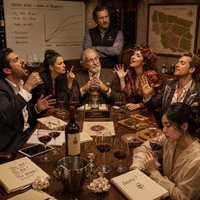
Young wine is a crowded employee meeting where everyone talks at once.
Alcohol keeps interrupting. Tannin is being rude. Oak has prepared a very long presentation about oak. Acid is asking pointed questions. Fruit is trying to be heard, but it is either shouting across the table or sulking in the corner. The subtle aromas are there too, but they are still waiting for someone to stop talking long enough to notice them.
That is why young wine can be so disjointed.
You finish fermentation, take a sample, and expect to taste the wine you imagined when you started. Instead, you get something awkward and uncoordinated. The alcohol seems too obvious. The tannins are rough. The fruit is simple. The oak, if there is oak, feels separate. The aroma may be flat, closed, or one-dimensional.
This is especially common with bigger red wines and higher ABV wines. The more power a wine has, the more likely it is that the loudest traits will overwhelm the quieter ones when the wine is young.
That does not always mean something went wrong.
It may simply mean the meeting has just started.
Everyone is in the room: alcohol, tannin, acid, fruit, oak, color compounds, aroma compounds, oxygen, sulfur dioxide, and all the other chemistry that came out of fermentation. The problem is that nobody is coordinated yet.
This is where time comes in.
Time is the project manager.
Its job is to help the different parts of the wine stop competing and start working together. Over weeks, months, and sometimes years, time allows tannins to change, aromas to emerge, fruit to settle, sediment to drop, and the wine to become more integrated. A young wine can feel like separate departments arguing over the same budget. A mature wine feels more like a company that finally figured out what business it is in.
But here is the important point.
Time is not the boss.
You are.
Time does not decide whether your wine improves. Time only works with the conditions you provide. If those conditions are right, time can help the wine mature beautifully. If those conditions are wrong, time can just as easily move the wine toward oxidation and disappointment.
And even when the conditions are right, time does not know when to stop.
That is your job too.
Aging is not simply waiting. Aging is controlled change. Your job is not to make time work faster. Your job is to give time the right conditions to work well, then recognize when the work is done.
During aging, two of your biggest responsibilities are protecting the wine with sufficient SO2 and storing it at the right temperature. Those decisions tell time what kind of project it is managing.
When SO2 is sufficient and temperature is cool and stable, time can do its best work.
SO2 protects the wine. Wine does need some oxygen exposure during its life, but too much oxygen is destructive. Oxygen can dull fruit, brown color, damage aroma, and push the wine toward stale flavors. SO2 helps protect against those reactions. It also helps guard against microbial problems that can spoil the wine.
This does not mean more SO2 is always better. The goal is not to bury the wine under sulfites. The goal is to maintain enough free SO2 to protect the wine based on its pH, style, and stage of development.
That pH part matters. SO2 does not protect every wine the same way at every pH. At a lower pH, a given amount of free SO2 is more effective. At a higher pH, the wine is harder to protect and SO2 management becomes even more important. This is why serious winemakers do not treat sulfites as a random pinch of powder added once and forgotten. They test, adjust, and protect the wine as it ages.
In the employee meeting, SO2 is security. It does not run the meeting, but it keeps the wrong people from taking over.
When SO2 is too low, oxygen becomes the uninvited executive who barges into the room, grabs the agenda, and starts making terrible decisions. At first, the damage can be subtle. The fruit seems a little muted. The color seems a little less chromatic. The aroma loses lift. The wine tastes older, but not better.
Eventually, oxidation becomes obvious. The wine may turn brown, smell stale, or taste flat.
Time did its job. It just did it under bad management.
Temperature is the other major condition.
Temperature controls the pace of aging. A cool, stable environment allows the wine to mature slowly. That slow pace matters because many of the changes you want need time to unfold gradually.
If the wine is stored too warm, those reactions speed up. That may sound helpful, but it usually is not. Wine aging is not like turning up the oven to cook dinner faster. Heat can push the wine too hard. The wine can start to taste like it's already past its prime before it ever becomes complex.
In the meeting metaphor, warm storage turns time into a stressed project manager trying to finish a yearlong project by Friday afternoon. There is activity everywhere, but not much wisdom. Decisions are rushed. The wrong voices take over. The result may be technically aged, but not gracefully mature.
When SO2 and temperature are right, the good changes have a chance to happen.
One of the biggest changes is tannin integration.
Tannins come from grape skins, seeds, stems, and oak. They are responsible for much of the drying, gripping sensation in red wine. In young wine, tannins can feel sharp, bitter, or aggressive because they are still very reactive. They grab onto proteins in your saliva, which creates that puckering sensation.
Over time, tannins react with each other and with color compounds from the grapes. They form larger structures. As they change, they often feel less harsh on the palate. Some eventually become large enough to fall out of solution as sediment.
That is why an older red wine can feel smoother while still having structure. The tannin has not disappeared. It has been reorganized.
Time got the tannin department to stop sending angry emails.
Aroma also changes during proper aging.
Young wine often smells mostly of primary fruit and fermentation. In red wines, that may mean cherry, blackberry, raspberry, plum, or grape. In white wines, it may mean apple, pear, citrus, peach, or tropical fruit. These aromas can be enjoyable, but they can also seem overly simplistic.
As wine ages under good conditions, some fresh fruit notes soften and new aromas become easier to detect. In reds, you may notice dried fruit, tobacco, leather, cocoa, cedar, earth, spice, or dried herbs. In whites, you may notice honey, nuts, dried flowers, toast, wax, or richer orchard fruit.
Those aromas do not usually appear because something was added. They emerge because the compounds already in the wine continue reacting. Some aroma compounds fade. Some bind to other compounds. Some are released. Some new aromatic impressions form as acids, alcohols, phenolics, oxygen, sulfur compounds, and other wine components interact.
This is one reason a wine can seem boring when young but fascinating later. The subtle notes were not absent. They were just trapped in a meeting with louder coworkers.
Alcohol perception can change too.
The actual alcohol level does not meaningfully fall during normal aging. A 14 percent wine does not become a 12.5 percent wine just because you waited. But the way you experience the alcohol can change dramatically.
In a young high ABV wine, alcohol may seem hot because it stands apart from the rest of the wine. The tannins are still unpleasant. The fruit is still too primary. The aroma may still be closed. There is nothing around the alcohol yet to make it feel fully integrated.
As the wine matures, the other parts catch up. The body feels more complete. The acid seems more supportive. The alcohol is still there, but it no longer dominates the room.
This is why your early impression of a young big wine may be correct without being final. The wine may truly be too loud at first. It may need time for the dominant traits to calm down so the subtleties can emerge.
Color changes are part of the same story.
A young red wine may be purple, ruby, or intensely dark. As it ages, the color can move toward garnet, brick, or tawny. That change comes from reactions involving pigments, tannins, oxygen, acid, and sulfur dioxide. Some color becomes more stable. Some color drops out. Some shifts with age.
That visual change is not just cosmetic. It is evidence that the internal chemistry of the wine is still moving.
Sediment is another sign of that movement. In red wines, sediment often forms as tannins, pigments, and other compounds combine and become too large to stay dissolved. That can be a good sign in an aging red. It means some of the rougher material has reorganized and settled out.
But this is where the boss has another job.
You have to know when the project is finished.
Time will not automatically stop when the wine reaches its best point. It will keep working. That means every wine has a curve. It improves, reaches a peak, holds there for some period of time, and eventually declines.
A lighter, lower ABV wine may not need a long meeting. If the wine is fresh, fruity, simple, and made to be enjoyed young, time may finish its useful work in weeks or a few months. The wine clears, settles, softens slightly, and becomes pleasant and refreshing to drink. After that, more time may not make it better. It may only make the fruit less fresh.
A bigger, higher ABV wine is different. If the wine has more tannin, more body, more oak, more color, more extract, or more complexity, time has more work to do. The meeting is more complicated. Tannin needs to integrate. Alcohol needs to stop standing apart. Oak needs to settle into the wine. Aromas need time to develop.
Those wines often need many months, and sometimes much longer, before they show what they were built to become.
But even those wines do not improve forever.
Eventually, every wine reaches a point where the project is complete. The fruit, tannin, acid, alcohol, aroma, and structure are working together. The wine tastes balanced, expressive, and ready. That is the window you are aiming for.
After that, time keeps going. Fruit can fade. Aromas can become obscured. Color can continue to shift. Structure can weaken. A wine that was once mature and beautiful can eventually become old, flat, or dried out.
That is why aging is not a race, and it is not a contest to see how long you can wait. The goal is not the oldest possible wine. The goal is the best possible version of that wine.
For home winemakers, this means tasting with purpose. Open a bottle early. Take notes. Open another later. Pay attention to whether the wine is gaining harmony, complexity, and smoothness, or whether it is starting to lose freshness and energy.
Over time, you will learn the drinking window for the kinds of wine you like to make.
This is especially important when choosing what kind of wine to make. If you want something fresh and drinkable soon, choose a wine built for that purpose. If you are making a bigger red wine with higher alcohol, more tannin, more skins, more oak, or more structure, give it the timeline it deserves. This is why you select your wine kit based on when you need to drink it.
A light wine may be ready when the meeting finally quiets down.
A big wine may still be working through the agenda.
But both wines need management.
You set the conditions. You protect the wine. You provide the right temperature. You taste and decide when the wine has reached its best window.
Time is loyal, but it is not wise.
It will manage whatever project you give it. It will also keep managing long after the project should have ended.
Give it a protected wine, sound SO2 levels, cool storage, stable temperature, minimal oxygen exposure, and enough structure, and time can coordinate something beautiful. Tannins become less aggressive. Aromas become more complex. Alcohol becomes less distracting. Fruit becomes less simple. The wine becomes more unified.
Give it low SO2, warm storage, oxygen exposure, and instability, and time will still coordinate the chemistry. It will simply coordinate it in the wrong direction.
Leave even a good wine too long, and time will eventually move it past maturity.
That is the real lesson of wine aging.
Fermentation creates the wine.
The winemaker sets the conditions.
Time manages the meeting.
And when everyone finally stops talking over each other, the wine is ready to speak.